Journal
How to Choose Wall Panels for High-Traffic Commercial Interiors
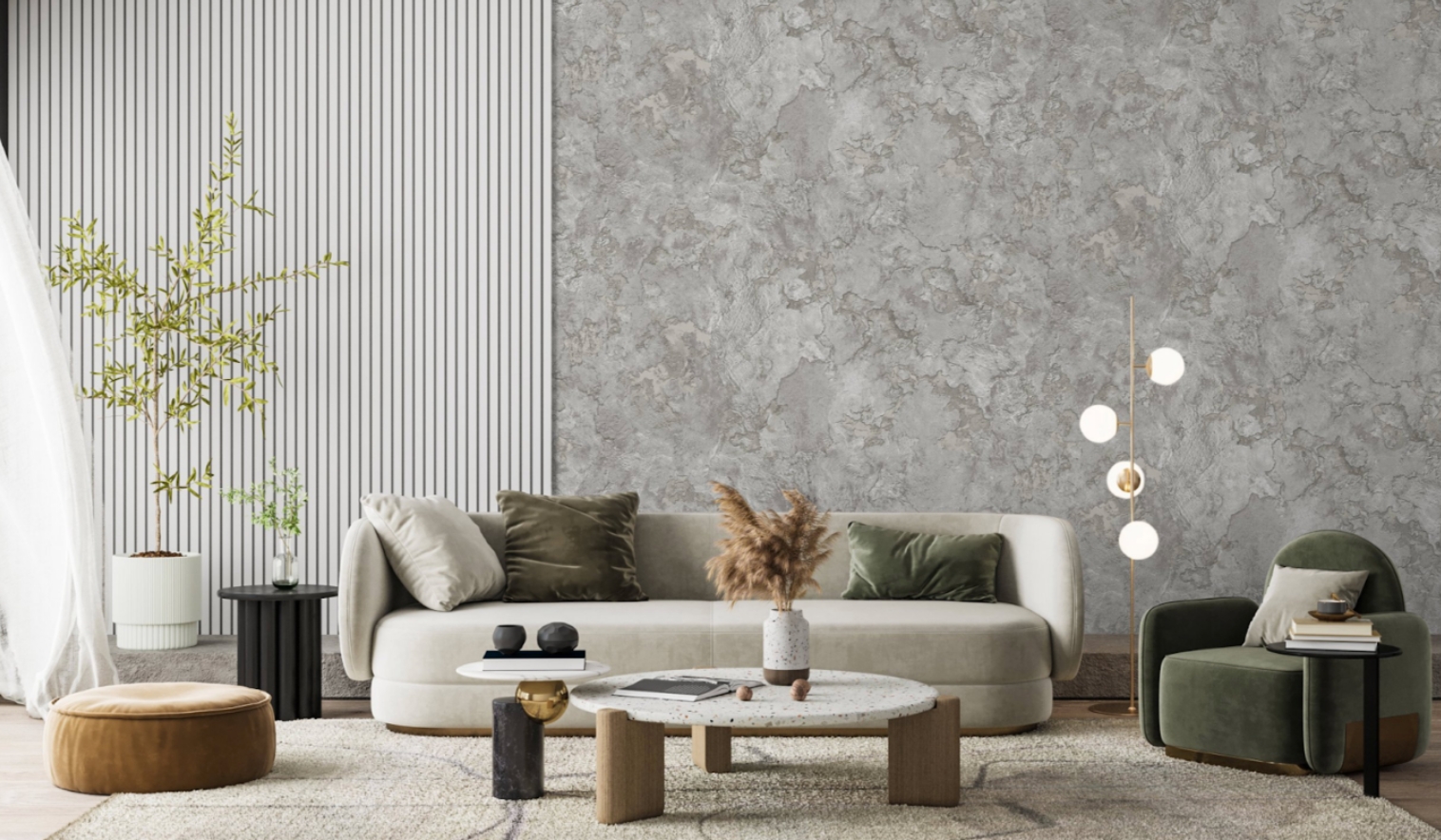
Commercial interiors need to balance visual appeal with practical requirements. In hotels, offices, restaurants, retail spaces, and other busy environments, walls contribute to the overall design while influencing how a space feels and functions.
Architectural wall panels can introduce texture, depth, and visual structure without relying solely on paint or repeated wallpaper patterns.
However, selecting the right panels requires more than choosing an attractive finish. Designers and project teams should consider traffic levels, cleaning requirements, installation conditions, and the overall design concept.
Here is how to choose wall panels for high-traffic commercial interiors.
1. Define the Purpose of the Space
Before comparing materials or patterns, identify how the space will be used.
A hotel lobby has different design priorities from a private office, restaurant dining area, or retail showroom. Some spaces need a strong visual statement, while others benefit from subtle textures that support the furniture, lighting, and architectural features.
Consider the following questions:
• How many people use the space each day?
• Are walls likely to experience frequent contact or accidental impact?
• Does the interior need a distinctive feature wall?
• Will the space be cleaned frequently?
• Does the design need to coordinate with an established brand identity?
Answering these questions helps narrow the selection and prevents choosing a product based on appearance alone.
For project-specific guidance, explore the wallcoverings and architectural surface collections at Morek Interiors.
2. Understand the Difference Between Wall Panels and Wallpaper
Wall panels and wallpaper can both transform an interior, but they create different visual effects.
Wallpaper typically uses repeating patterns, textures, or printed designs to cover a wall surface. It can introduce color and visual interest across an entire room or a selected feature wall.
Architectural wall panels can add dimensional texture, defined lines, and a more structured appearance. Depending on the design, they can help establish visual rhythm or emphasize a particular architectural feature.
The best choice depends on the intended result. Wallpaper may be suitable when pattern and color are central to the concept, while wall panels may be preferable when the design calls for dimensionality and a more architectural look.
Morek Interiors offers both wallcoverings and wall panel collections, allowing designers to explore different approaches to decorative surfaces.
3. Evaluate Durability and Maintenance Requirements
High-traffic environments place different demands on interior finishes. Walls in corridors, reception areas, hospitality settings, and commercial waiting areas may experience more frequent contact and cleaning than walls in private residential rooms.
Before specifying a wall panel, ask the supplier about the material's intended applications, cleaning instructions, resistance to everyday wear, and any limitations that may affect installation or maintenance.
Do not assume that every decorative panel is suitable for every commercial environment. Requirements vary according to the product construction, location, exposure conditions, and maintenance schedule.
For example, a wall near a frequently used entrance may need different considerations from a decorative feature wall in a low-contact area.
Review the product specifications and installation guidance before making a final selection.
4. Match Panel Texture and Color to the Design Concept
Wall panels can influence the atmosphere of a commercial space through texture, color, scale, and visual rhythm.
For a calm and understated interior, subtle textures and coordinated neutral colors may work well. More pronounced patterns or dimensional finishes can create a focal point in a reception area, boutique, or hospitality setting.
Consider how the panels interact with the other materials in the room:
• Flooring and baseboards
• Furniture and upholstery
• Lighting fixtures
• Countertops and reception desks
• Metal, glass, and wood finishes
• Existing architectural details
Requesting samples can help you evaluate the actual color and texture alongside other project materials. Screen images may not accurately represent how a finish looks under different lighting conditions.
Morek's wallcovering collections provide options for designers seeking different patterns, textures, and decorative finishes.
5. Use Wall Panels to Create Visual Structure
In large commercial interiors, wall panels can help organize a space visually without requiring physical partitions.
A feature wall behind a reception desk can establish a focal point. Repeated vertical or horizontal elements may reinforce the proportions of a room, while a distinctive panel finish can distinguish one area from another.
The key is to use the panels intentionally. Covering every wall with a strong texture or pattern may compete with furniture, lighting, signage, and other design features.
Instead, identify where a wall treatment will contribute most to the overall concept.
For example, a hotel reception area may benefit from a carefully selected focal wall, while an office corridor may call for a more restrained and consistent finish.
6. Consider Installation Conditions Before Ordering
The success of a wall panel installation depends partly on the condition of the underlying surface and the requirements of the selected product.
Before ordering, confirm the wall dimensions, substrate condition, surface preparation requirements, and installation method. Some systems may require mechanical fixing, while others may use adhesive or a combination of methods.
The installation team should review the manufacturer's instructions and determine whether additional preparation is necessary.
It is also important to coordinate wall panels with electrical outlets, lighting, doors, trim, and other architectural details. These elements should be considered before the final layout is approved.
If the project involves multiple rooms or phases, document the selected product references and installation requirements so the team can maintain consistency throughout the work.
For product-specific questions, consult
7. Plan for Cleaning and Long-Term Care
A commercial wall finish should be selected with its maintenance requirements in mind.
Before specifying a product, establish how it should be cleaned, which cleaning products are appropriate, and whether the finish requires special care.
Avoid using generic cleaning advice for every material. Different surface constructions and finishes may have different limitations.
For hospitality and commercial projects, the facilities or maintenance team should receive the relevant care instructions before the space opens.
Keeping product documentation on file can also make future maintenance and replacement planning easier.
8. Coordinate Wall Panels With Other Surface Finishes
Wall panels are most effective when they contribute to a coherent material palette.
Consider how the selected finish will work with adjacent wallpaper, painted walls, flooring, millwork, and furniture. Differences in color temperature, texture, and reflectivity can influence the appearance of the finished room.
If several materials are used together, request samples and compare them under lighting conditions similar to those expected in the completed space.
For larger projects, it can also be helpful to document the selected finishes in a materials schedule. This gives designers, contractors, and procurement teams a shared reference during ordering and installation.
Morek Interiors brings together wallpapers, murals, and architectural wall panels for projects that require coordinated decorative surfaces.
9. Consider the Needs of Different Commercial Environments
Although the selection process follows similar principles, different commercial spaces may have distinct requirements.
Hotels and hospitality spaces: Visual consistency, cleaning requirements, guest experience, and coordination with the wider interior concept are important considerations.
Offices: The finish should complement the workplace design, furniture, circulation areas, and overall brand identity.
Retail environments: Wall treatments may help establish a visual identity and complement product displays without distracting from merchandise.
Restaurants and dining spaces: Cleaning requirements, exposure conditions, and coordination with lighting and furniture should be reviewed carefully.
Reception areas: A well-planned feature wall can create a focal point and help establish the character of the space.
The final product selection should always be based on the specific environment and the manufacturer's stated suitability for the intended application.
Common Mistakes When Choosing Commercial Wall Panels
Several avoidable mistakes can affect the quality and practicality of a wall panel project.
Choosing by appearance alone: An attractive finish may not meet the project's maintenance or performance requirements.
Ignoring substrate preparation: Even a suitable panel can produce poor results if the underlying wall is not properly prepared.
Overlooking lighting conditions: A finish may look different under daylight, warm lighting, or commercial LED fixtures.
Using too many competing textures: Multiple strong patterns and finishes can make an interior feel visually crowded.
Failing to confirm product specifications: Installation methods, cleaning requirements, and intended applications should be checked before ordering.
Not keeping product records: Missing specifications can complicate future maintenance, repairs, and replacement orders.
A structured selection process helps the project team evaluate appearance and practical requirements together.
How to Select Wall Panels for Your Next Commercial Project
Choosing wall panels for a busy commercial environment begins with understanding the space, its users, and the demands placed on its surfaces.
Evaluate the intended application, review product specifications, compare samples, and coordinate the selected finish with the rest of the interior. Confirm installation requirements and maintenance guidance before finalizing the order.
Morek Interiors curates premium wallpapers, architectural wall panels, murals, and decorative surface solutions for residential, hospitality, and commercial projects.
Explore Morek Interiors' collections to discover surface finishes for your next project. For questions about product suitability, samples, or specification requirements, visit the Morek Interiors FAQ or contact the team for project-specific guidance.
Create a More Considered Commercial Interior
Well-chosen wall panels can help establish the character of a commercial interior while supporting a cohesive design concept.
By considering durability, maintenance, installation, lighting, and material coordination from the beginning, designers and project teams can make more informed decisions and avoid selecting finishes based on appearance alone.
Start with the needs of the space, compare appropriate materials, and choose a wall treatment that supports both the design intent and the practical requirements of the project.